


Safe Lifting Practices for 80 Ton Overhead Crane Operators
- blog@ellsenbridgecrane.com
- Dec 2, 2025
- 5 min read

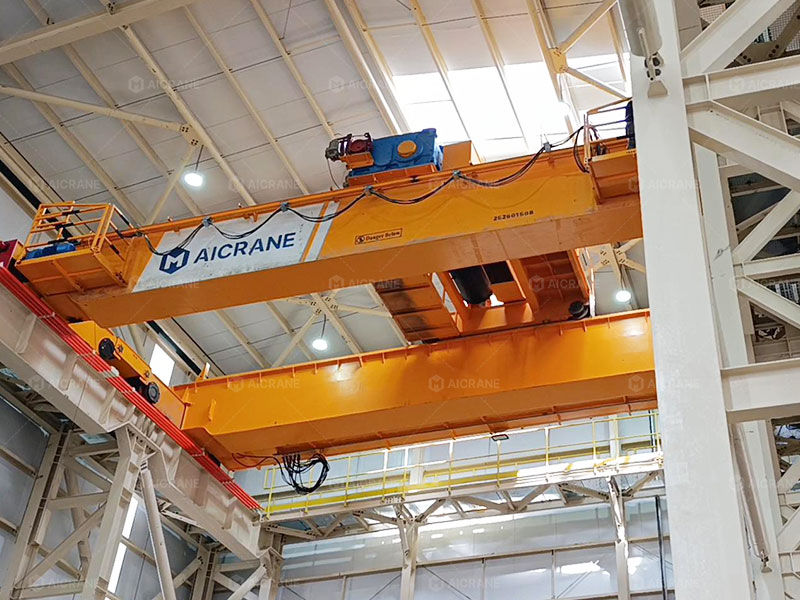
Operating an 80-ton overhead crane is a task that demands not only technical skill but also a deep commitment to safety. With the immense weight involved, even a minor lapse in judgment can result in serious accidents, injuries, or damage to materials and equipment. Implementing safe lifting practices is essential to protect operators, personnel, and the work environment. This article explores key principles, techniques, and best practices for safe overhead crane operations at such heavy capacities.

Understanding the Crane and Its Limits
Before any lifting operation, it is critical for operators to understand the specific capabilities and limitations of their 80 ton overhead crane. Every crane comes with a manufacturer-specified maximum load capacity, operational limits, and mechanical characteristics. Operators must familiarize themselves with:
Rated Load Capacity: Never exceed the crane's maximum load rating. Even lifting slightly over the rated capacity can compromise structural integrity and safety.
Load Chart Interpretation: Cranes have load charts that indicate the maximum permissible weight depending on the boom length, radius, and lift height. Proper understanding of these charts is crucial for planning safe lifts.
Crane Inspection History: Ensure the crane has passed all required inspections and maintenance checks. Faulty components such as worn wire ropes, defective brakes, or malfunctioning limit switches can dramatically increase risk.
Understanding the crane’s limits is the first step in preventing accidents caused by overloading, improper rigging, or operational misjudgments.
Pre-Lift Planning and Preparation
A significant proportion of crane accidents occur due to inadequate planning. Before executing any lift, operators should conduct detailed pre-lift preparation:
Site Assessment: Evaluate the lifting area for obstacles, uneven flooring, or other cranes and equipment in operation. Ensure the path of the crane is clear and well-marked.
Load Assessment: Inspect the load for stability and weight distribution. Identify the center of gravity and any potential points of imbalance.
Rigging Equipment Selection: Use certified slings, shackles, and hooks appropriate for the 80-ton load. All rigging gear should be inspected for wear, deformation, or damage before use.
Personnel Planning: Assign roles for spotters, signalers, and ground personnel. Communication protocols must be clearly defined, including the use of hand signals or radios.
By thoroughly planning the lift, operators can anticipate potential hazards and ensure that all necessary equipment and personnel are prepared.
Safe Rigging Techniques
Correct rigging is critical when handling heavy loads with an 80-ton crane. Improper rigging can cause load swings, slipping, or catastrophic failure. Key considerations include:
Center of Gravity Alignment: Always attach rigging to the load’s center of gravity to prevent tipping or rotation during the lift.
Load Distribution: For asymmetrical or long loads, use multiple lifting points and spreader beams to distribute weight evenly.
Angle of Slings: Maintain sling angles between 45° and 60° when possible. Smaller angles increase stress on slings, while larger angles reduce stability.
Avoid Shock Loading: Never jerk the load or allow it to swing. Sudden impacts significantly increase the effective load, potentially exceeding the crane’s rated capacity.
Proper rigging is the foundation of safe lifting and minimizes risks associated with load instability and equipment failure.
Operating the Crane Safely
Once planning and rigging are complete, safe operation is paramount. Operators must follow standard procedures and maintain constant vigilance:
Slow and Controlled Movements: Always lift and lower loads gradually. Sudden starts or stops can destabilize the load and stress the crane’s structure.
Use of Hoist Limit Switches: Do not bypass safety devices like upper and lower limit switches, which prevent over-travel of the hoist.
Maintaining Visibility: Ensure the operator has a clear line of sight to the load. Use cameras or spotters if the load obstructs visibility.
Avoiding Side Pulls: Always lift vertically and avoid pulling the load at an angle. Side pulls can strain crane components and cause tipping.
Environmental Awareness: Pay attention to wind, lighting, and floor conditions. High winds can sway heavy loads, and poor lighting increases the risk of errors.
Operators must remain focused and disciplined during every phase of the lift, avoiding shortcuts or unsafe practices.
Communication and Coordination
Effective communication is critical for double girder overhead crane safety, especially when operating an 80-ton crane with complex loads or in busy work areas. Best practices include:
Standard Hand Signals: All personnel should be trained in standard crane hand signals and ensure the operator understands them clearly.
Two-Way Radios: In noisy or large facilities, radios allow real-time communication between the operator, spotters, and ground personnel.
Lift Supervisor: Assign a designated lift supervisor to oversee the operation, make decisions, and halt the lift if safety is compromised.
Pre-Lift Meetings: Brief all involved personnel on the lift plan, hazards, and contingency measures before starting operations.
Strong communication reduces the likelihood of misunderstandings that could lead to accidents.
Post-Lift Procedures
Safe practices extend beyond the lift itself. Proper post-lift procedures help maintain crane integrity and prepare for future operations:
Controlled Lowering: Lower loads gently onto secure supports or pallets, avoiding sudden drops.
Equipment Inspection: Check for wear, damage, or deformation on rigging and crane components. Report and rectify any issues before the next operation.
Documentation: Maintain detailed logs of lifts, including load weight, duration, personnel involved, and any anomalies observed. This documentation supports safety audits and preventive maintenance.
Consistent post-lift procedures reinforce a culture of safety and reliability in crane operations.
Training and Certification
Operators of 80-ton cranes must undergo extensive training and certification to ensure they understand all aspects of safe operation:
Formal Certification: Operators should hold recognized overhead crane operator certifications, covering both theoretical and practical components.
Continuous Training: Regular refresher courses on new safety standards, crane technology, and operational best practices help prevent complacency.
Emergency Response Training: Operators must know how to respond to power failures, load slips, or mechanical malfunctions. Simulated drills are highly effective.
Training is not a one-time process but an ongoing requirement for safe, efficient crane operations.
Safety Culture and Compliance
Finally, fostering a strong safety culture is crucial. Operators, supervisors, and management must prioritize safety over speed or convenience:
Follow OSHA and ANSI Standards: Comply with local and international standards governing crane operations.
Encourage Reporting: Create an environment where personnel can report unsafe conditions without fear of reprisal.
Regular Safety Audits: Conduct periodic safety audits to identify potential hazards and ensure compliance with procedures.
Promote Personal Responsibility: Every operator must take personal accountability for safety, recognizing that one mistake can have severe consequences.
A strong safety culture not only reduces accidents but also improves operational efficiency and protects company assets.
Conclusion
Operating an 80-ton overhead crane demands meticulous attention to detail, adherence to established protocols, and a proactive approach to safety. From understanding crane limits and pre-lift planning to proper rigging, careful operation, communication, and post-lift procedures, every step plays a crucial role in minimizing risk. Continuous training, certification, and a strong safety culture ensure that operators can manage heavy loads effectively while protecting themselves, coworkers, and equipment. By committing to safe lifting practices, companies can enhance productivity, maintain equipment longevity, and, most importantly, prevent accidents in heavy lifting operations.


Comments