


The Dangers of Exceeding 25 Ton Overhead Crane Capacity Limits

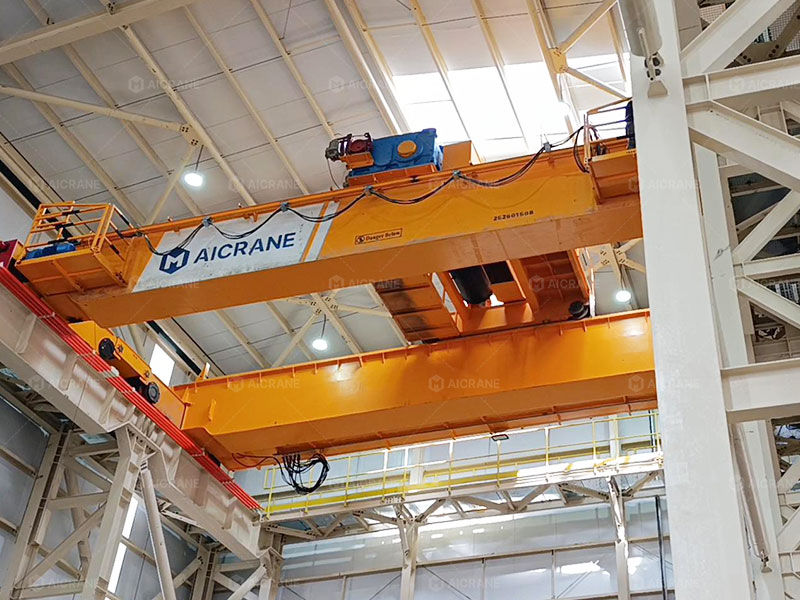
A 25-ton overhead crane is widely used in workshops, manufacturing plants, steel fabrication yards, and logistics facilities. It is designed with a clearly defined Safe Working Load (SWL) of 25 tons, meaning this is the maximum weight the crane can lift safely under specified operating conditions. However, in real industrial environments, one of the most serious safety risks is not equipment failure itself—but human decision-making that pushes the crane beyond its rated capacity.
Exceeding the 25-ton limit is not a minor operational adjustment. It is a direct violation of engineering safety assumptions that can lead to structural failure, equipment collapse, and life-threatening accidents.

1. Understanding What “25 Ton Capacity” Really Means
The 25-ton rating is not a flexible guideline—it is a strict engineering boundary. It is calculated based on:
Hoist strength and braking torque
Wire rope or chain tensile limits
Structural integrity of the bridge girder
Wheel loads and runway beam capacity
Dynamic load factors during lifting and movement
In reality, cranes are designed with controlled safety margins, but these are intended for unexpected variations, not routine overloading. Even short-term overload can push components beyond their elastic limits, causing permanent damage.
2. Structural Damage: The First Hidden Consequence
When a 25 ton overhead crane is overloaded, the first affected area is often the main structural system.
Common structural failures include:
Bridge girder bending or permanent deflection
Weld cracking at stress concentration points
End beam deformation
Runway beam overload and misalignment
Repeated overload cycles accelerate fatigue failure. Even if the crane “looks fine” afterward, microscopic cracks may already be forming inside the steel structure. Over time, these cracks can propagate and lead to catastrophic collapse.
3. Hoist, Wire Rope, and Brake System Failure
The hoisting system is designed to operate within strict mechanical limits. Overloading directly affects:
Wire ropes and chains
Stretch beyond elastic limit
Fraying or internal strand damage
Sudden snapping under shock load
Hoist motor and gearbox
Overcurrent and overheating
Gear tooth deformation
Reduced lifting efficiency over time
Brake system
Inability to hold the load safely
Increased stopping distance
Brake overheating and failure
Once any of these components are compromised, the crane becomes unpredictable and unsafe even under normal loads.

4. Risk of Sudden Load Drop and Fatal Accidents
The most dangerous outcome of exceeding 25-ton capacity is loss of load control.
Overload can cause:
Wire rope breakage
Hook deformation or fracture
Slippage in hoist drum
Sudden mechanical failure of lifting system
This can result in a heavy load dropping from height, creating severe risks such as:
Worker fatalities or serious injuries
Crushing of vehicles or equipment
Secondary structural collapse
Even a small overload margin can drastically increase failure probability because mechanical systems fail non-linearly under stress.
5. Reduced Crane Stability and Increased Tipping Risk
Although overhead cranes operate on fixed rails, overload still affects stability and balance.
Excess load increases:
Wheel pressure on runway beams
Structural stress on end carriages
Lateral sway during movement
Dynamic impact forces during lifting and braking
If combined with side loading or sudden load swing, the crane structure may experience uneven stress distribution, further increasing failure risk.
6. Hidden Damage from “Small” or Repeated Overloads
One of the most dangerous misconceptions is that slight overload is acceptable if the crane still lifts the load.
In reality:
Even minor overload can exceed design fatigue limits
Damage accumulates over cycles
Components weaken progressively without visible signs
For example, a crane repeatedly lifting 26–27 tons instead of 25 tons may not fail immediately—but its lifespan can be significantly shortened due to accumulated fatigue damage.
7. Increased Maintenance Costs and Downtime
Operating beyond rated capacity drastically increases lifecycle costs:
More frequent inspections required
Higher replacement rate for ropes, brakes, and motors
Unexpected breakdowns during production
Longer downtime for repairs
As components wear faster, operational efficiency decreases, and maintenance budgets rise significantly.
8. Operator Error and Misjudged Load Weight
Most overload incidents are not intentional—they are caused by:
Incorrect weight estimation
Missing or inaccurate load labels
Improper rigging that shifts load distribution
Lack of real-time load monitoring
In many industrial accidents, operators assume a “safety buffer” exists, which leads to dangerous overconfidence. However, crane systems are not designed for routine overloading under any circumstances.
9. False Sense of Safety from Built-in Safety Factors
A common myth in crane operation is that “cranes are built strong enough to handle more than rated load.”
While cranes do include engineering safety factors, these are:
For emergency conditions, not daily use
Already accounted for in the 25-ton rating
Not designed for repeated overload cycles
Relying on these margins for normal operations creates a serious safety illusion that can lead to catastrophic failure.
10. Regulatory and Compliance Violations
Exceeding crane capacity is not only dangerous—it is often illegal under industrial safety regulations.
Consequences may include:
Violation of OSHA/ASME standards
Shutdown orders from safety inspectors
Liability for workplace accidents
Insurance claim rejection after incidents
These legal and financial risks can exceed the cost of the equipment itself.
11. How to Prevent Overload on a 25 Ton Crane
To ensure safe operation, industries should implement:
Technical safeguards
Load moment indicators (LMI)
Overload protection systems
Digital load monitoring sensors
Operational controls
Strict lifting procedures
Verified load weight before lifting
Proper rigging and balance checks
Maintenance practices
Regular inspection of wire ropes and brakes
Load testing at recommended intervals
Structural integrity checks of girders and beams
Conclusion
Exceeding the 25-ton capacity of an overhead crane for sale is one of the most dangerous operational mistakes in industrial lifting. It does not simply “strain the machine”—it systematically compromises structural integrity, damages critical components, increases accident risk, and can lead to catastrophic failure.
A 25-ton crane is engineered to lift 25 tons safely, repeatedly, and reliably—not 26, not 30, and not “just a little extra.”
Respecting rated capacity is not just a technical requirement—it is the foundation of safe, efficient, and legally compliant crane operation.


Comments