


Acoustic Insulation in Double Girder EOT Crane Cabins: Enhancing Operator Comfort and Safety
- blog@ellsenbridgecrane.com
- Mar 30
- 5 min read

In industrial environments, overhead traveling (EOT) cranes are indispensable tools for lifting and transporting heavy loads efficiently. Among these, double girder EOT cranes are particularly favored in heavy-duty applications such as steel mills, precast concrete plants, shipyards, and power stations, due to their high load capacity, stability, and long-span coverage. However, one persistent challenge for operators is the noise generated during crane operations, which can lead to fatigue, reduced concentration, and even long-term hearing damage. Acoustic insulation in crane cabins has therefore emerged as a crucial design consideration, aimed at improving both operator comfort and operational safety.
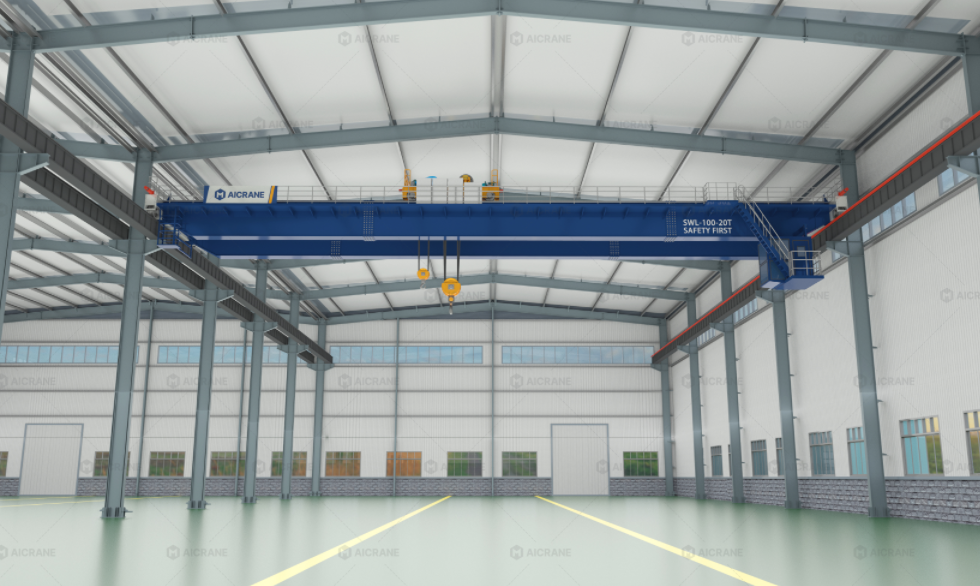
Understanding Noise in Double Girder EOT Cranes
Double girder EOT cranes are complex machines, combining several mechanical and electrical systems: hoists, trolleys, wheels on rails, drive motors, gearboxes, brakes, and sometimes auxiliary equipment such as air conditioning. Each of these components produces vibrations and sound, which can amplify within the cabin due to enclosed metal structures. Common sources of cabin noise include:
Hoist motors and gearboxes: High-torque motors create low-frequency vibrations transmitted through the crane structure.
Travel motors and wheels: Movement along rails produces intermittent impacts and resonant frequencies.
Brakes and clutches: Sudden mechanical engagement often results in sharp acoustic peaks.
Wind and industrial ambient noise: Open industrial sites contribute external sound, which penetrates uninsulated cabins.
Typical sound levels inside uninsulated crane cabins can range from 75 dB to over 90 dB, depending on the crane size, operation speed, and surrounding environment. Continuous exposure to noise above 85 dB is considered hazardous, potentially causing hearing loss, stress, and decreased focus, which can compromise safety when lifting heavy loads.
The Role of Acoustic Insulation
Acoustic insulation in crane cabins serves to reduce the transfer of noise and vibrations from the crane structure and external environment to the operator's ears. Effective insulation not only enhances operator comfort but also improves productivity by enabling longer operational shifts without fatigue.
Key objectives of acoustic insulation in double girder EOT crane cabins include:
Noise reduction: Lowering both high-frequency and low-frequency sounds within the cabin.
Vibration damping: Reducing mechanical vibrations that can amplify noise perception and cause discomfort.
Temperature control: Many acoustic materials also provide thermal insulation, aiding climate control.
Ergonomics and safety: Quieter cabins allow operators to hear alarms, communication signals, and other environmental cues.

Acoustic Insulation Materials and Design
Selecting the right materials and cabin design is critical for effective noise control. Some common solutions include:
1. Sound-Absorbing Panels
Sound-absorbing panels are typically installed on cabin walls, ceilings, and floors. Materials such as mineral wool, acoustic foam, and fiberglass panels absorb airborne sound waves and prevent them from reflecting inside the cabin. These panels are lightweight, durable, and can be customized for cabin dimensions. For double girder EOT cranes, panels must be resilient to vibrations and not degrade over time due to industrial dust or humidity.
2. Vibration-Damping Mounts
Mechanical vibrations transmitted through the crane structure can generate secondary noise inside the cabin. Using vibration-damping mounts for the cabin, operator seat, and control panels helps decouple these vibrations. Materials such as rubber pads, elastomeric mounts, and spring isolators are commonly used. Properly designed mounts significantly reduce low-frequency rumble, which is often the most fatiguing for operators.
3. Double-Glazed Windows
Cabins with large glass windows are prone to noise leakage. Double-glazed or laminated safety glass provides both visibility and acoustic insulation. Laminated glass, in particular, has a thin polymer layer between glass sheets that dampens sound waves. For cranes operating near noisy equipment like furnaces or rolling mills, this feature is indispensable.
4. Sealing and Weatherstripping
Even small gaps around doors, windows, and panels can allow sound to enter the cabin. High-quality seals, gaskets, and weatherstripping prevent noise infiltration and also protect against dust, moisture, and temperature fluctuations.
5. Acoustic Ceiling and Flooring
Cabin ceilings and floors can be lined with acoustic mats or composite materials that absorb noise and reduce vibration. Combining a suspended ceiling with sound-absorbing panels enhances overall acoustic performance.
6. Active Noise Control
For modern, high-end cranes, active noise cancellation systems are increasingly used. These systems use microphones to detect ambient noise and emit counter-phase sound waves through cabin speakers to cancel it. While more expensive, active systems are particularly effective in reducing repetitive, low-frequency sounds such as motor rumble.
Benefits of Acoustic Insulation in EOT Crane Cabins
Enhanced Operator Comfort
Operators spending long hours in noisy environments often experience fatigue, headaches, and stress. Acoustic insulation creates a calmer workspace, allowing operators to maintain alertness and focus.
Improved Safety
Lower noise levels reduce the risk of missing auditory cues such as alarms, horn signals, or communication from ground personnel. Operators can respond faster to emergencies, preventing accidents or load mishandling.
Reduced Long-Term Health Risks
Chronic exposure to high-decibel noise can lead to hearing loss and cardiovascular stress. Insulated cabins minimize these risks, supporting long-term operator well-being.
Higher Productivity
Comfortable and less fatigued operators can maintain higher precision and consistency, reducing errors and cycle times in lifting and positioning operations. In industries like steel or precast concrete production, this can have a direct impact on efficiency and cost savings.
Lower Maintenance of Crane Components
Some acoustic insulation methods, such as vibration-damping mounts, reduce mechanical stress on the crane structure. This can extend the lifespan of motors, gearboxes, and wheels by minimizing vibratory forces.
Implementation Considerations
When retrofitting or designing acoustic insulation for double girder EOT crane cabins, several factors should be considered:
Noise Profile Analysis: Conduct sound level measurements to identify the most problematic frequencies and locations for insulation.
Material Compatibility: Ensure materials are resistant to industrial dust, humidity, and temperature extremes common in crane operation environments.
Weight Impact: Additional insulation materials add weight to the cabin. Design adjustments may be needed to maintain crane balance and structural integrity.
Maintenance Access: Acoustic panels and mounts should allow easy access for routine inspection and repairs.
Cost vs. Benefit: While high-quality acoustic insulation can increase upfront costs, the long-term benefits in operator safety, productivity, and reduced turnover outweigh the initial investment.
Future Trends in Crane Cabin Acoustic Design
With the ongoing industrial emphasis on operator-centered design and sustainable operations, the future of acoustic insulation in double girder EOT crane cabins is promising. Some emerging trends include:
Integration with Smart Cabins: Sensors monitoring noise levels, vibration, and operator alertness can dynamically adjust cabin features such as ventilation and active noise control.
Advanced Composites: New lightweight, high-performance acoustic composites provide superior sound absorption without compromising cabin weight.
Customization for Specific Environments: Cabins can be tailored for unique industrial conditions, such as steel mills with continuous high-decibel operations or shipyards with high-impact lifting scenarios.
Hybrid Solutions: Combining passive insulation (panels, seals) with active noise cancellation and vibration damping for maximum comfort.
Conclusion
Acoustic insulation in double girder EOT crane cabins is no longer a luxury—it is a critical component of modern crane design. By addressing both airborne and structure-borne noise, overhead crane manufacturers can ensure operators work in a safer, more comfortable environment. This not only improves health and safety outcomes but also enhances productivity and efficiency, making acoustic insulation a sound investment for industrial operators worldwide.
For industries relying on heavy lifting and continuous operations, investing in well-designed acoustic cabins is an effective strategy to protect operators, optimize performance, and extend the life of crane equipment. As industrial environments become more complex and safety standards rise, acoustic insulation will continue to play a key role in the evolution of double girder EOT crane design.


Comments