


Key Design Considerations for Steel Structure Buildings with 100 Ton Overhead Cranes

Designing a steel structure building to accommodate a 100-ton overhead crane is a complex engineering task that requires meticulous planning and careful consideration of multiple factors. The integration of such a high-capacity crane influences the structural design, safety, operational efficiency, and long-term durability of the facility. From load-bearing capacity to layout planning, understanding the key design considerations is essential for architects, structural engineers, and crane manufacturers.

1. Understanding the Crane Requirements
Before delving into building design, it is crucial to clearly define the requirements of the 100 ton overhead crane. Factors to consider include:
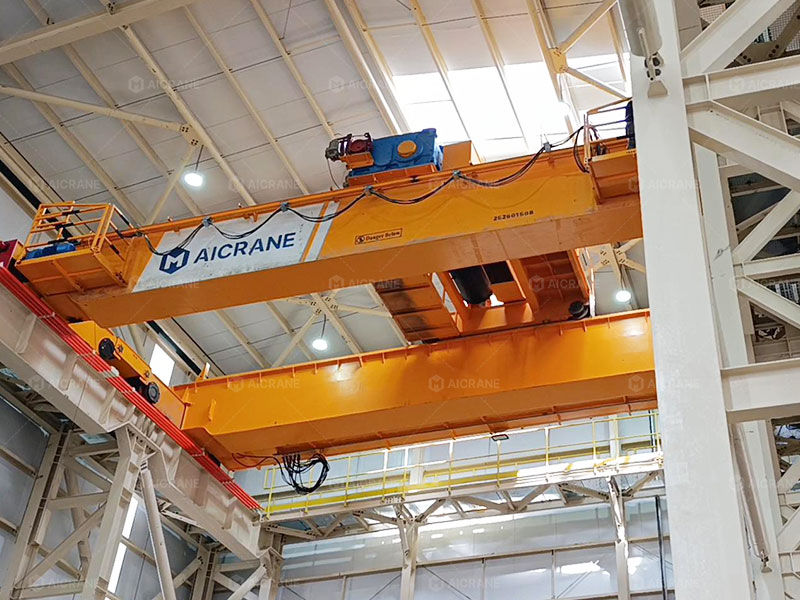
Crane Type: Whether it is a single girder or double girder crane. For 100-ton loads, double girder cranes are usually preferred due to their superior load-bearing capabilities and structural stability.
Span: The distance between the crane rails will directly affect the dimensions and reinforcement of the building structure. Longer spans require more robust support beams and columns.
Lifting Height: The maximum height to which the crane will lift materials influences the building's vertical clearance and roof height.
Duty Class: Determining the operational frequency and load handling intensity of the crane helps in selecting appropriate structural steel grades and crane components. Heavy-duty cranes handling continuous operations demand higher-strength materials.
2. Structural Steel Selection
The building’s steel structure must be capable of supporting both the static and dynamic loads imposed by the crane. Key considerations include:
Material Grade: High-strength steel, such as Q345B or S355, is typically recommended for columns, girders, and roof trusses.
Column Design: Columns must resist vertical loads from the crane and horizontal forces from crane acceleration and deceleration. Base plates, anchor bolts, and column bracing should be designed for maximum stability.
Roof and Truss Design: Roof beams and trusses must accommodate the crane runway girders and withstand the crane’s operational vibrations and impact loads. Double trusses or reinforced roof beams may be necessary for large spans.
3. Crane Runway Design
The runway system is one of the most critical components when integrating a 100-ton crane into a steel building. The runway design directly affects structural integrity, safety, and operational efficiency. Key factors include:
Runway Beams: These beams must be designed to carry the crane’s wheel loads and moments. Pre-engineered crane girders or reinforced steel beams are common solutions.
Support Columns: Columns supporting the runway beams must resist both vertical and horizontal loads. Additional bracing may be required to prevent swaying or deflection.
Tolerance and Alignment: Precise alignment of runway rails is essential to prevent excessive wear on crane wheels and ensure smooth operation. Even minor deviations can compromise safety.

4. Load Considerations
When designing a steel building for a 100-ton crane, understanding and calculating loads is paramount. Load considerations include:
Dead Load: This includes the weight of the crane, runway girders, building structure, and roofing materials. Dead load calculations ensure the building can support permanent weights without structural failure.
Live Load: The actual weight of materials lifted by the crane and the dynamic forces generated during operation. Live loads are often more significant than dead loads due to impact, acceleration, and braking forces.
Impact Load: The sudden load experienced when a crane starts or stops lifting heavy items. Impact loads can be up to 25% higher than the actual lifted weight and must be factored into beam and column design.
Wind and Seismic Loads: External forces such as wind pressure and seismic activity can influence crane stability and building design. Bracing systems, moment connections, and anchor designs are critical in mitigating these forces.
5. Building Layout and Clearances
Designing the building layout around a 100-ton overhead crane involves careful planning to ensure operational efficiency, safety, and flexibility.
Crane Aisle Width: Adequate space between columns and crane travel paths is essential for smooth crane movement and to prevent collisions with structural elements or other equipment.
Operational Clearance: The building must provide sufficient vertical and horizontal clearance for the crane hook, load, and operators. Minimum recommended clearances typically exceed the crane’s lifting height by 1–2 meters.
Maintenance Access: Space for crane inspection, maintenance, and emergency repairs must be considered. Walkways, ladders, and platforms are often integrated into the building design.
Material Flow: The positioning of the crane should facilitate efficient material handling, minimizing unnecessary travel and improving workflow.
6. Foundation Design
A 100-ton crane exerts significant loads on the building foundation, making foundation design a critical aspect of the project.
Load Distribution: Crane loads are concentrated at runway beam columns, which transmit forces to the foundation. Footings or pile foundations must be designed to handle high point loads.
Soil Analysis: Geotechnical investigation is essential to determine soil bearing capacity, settlement risks, and potential soil reinforcement needs.
Vibration and Impact Resistance: The foundation should minimize vibrations transmitted from crane operation to the building structure. Reinforced concrete foundations with embedded anchor bolts are commonly used.
7. Safety and Compliance
Integrating a high-capacity crane into a steel structure requires strict adherence to safety codes and standards:
National Standards: Compliance with ISO, ANSI, CMAA, or local building codes ensures structural safety and operational reliability.
Safety Features: Overload protection, limit switches, anti-sway systems, and emergency stop mechanisms should be incorporated into the crane design.
Inspection and Testing: Pre-commissioning load tests, periodic inspections, and preventive maintenance are mandatory to ensure long-term safety and reliability.
8. Future Expansion and Flexibility
Designing a steel structure building with future adaptability in mind can save costs and time for later expansions:
Modular Columns and Beams: Using modular designs allows for easier modifications or extensions of the building.
Higher Duty Crane Accommodation: If future operations may require cranes beyond 100 tons, the structure can be over-engineered initially to handle additional loads.
Multi-Crane Systems: Consideration for the addition of a second crane can improve operational flexibility without significant reconstruction.
9. Collaboration Between Stakeholders
The design and construction of a steel building for a 100-ton crane require close coordination between multiple parties:
Architects and Structural Engineers: Ensure that building aesthetics and structural integrity align with operational requirements.
Crane Manufacturers: Provide detailed specifications for crane loads, dimensions, and operational clearances.
Contractors: Translate design requirements into practical construction solutions, especially for foundations and runway installation.
Facility Operators: Share operational insights, load handling patterns, and workflow requirements to optimize crane placement and building layout.
Conclusion
Designing a steel structure building to accommodate a 100-ton overhead crane is a multidisciplinary task that involves precise engineering, careful planning, and adherence to safety standards. Key considerations include understanding crane specifications, selecting suitable steel materials, designing robust runways and foundations, planning operational clearances, and integrating safety and future expansion features. By addressing these factors from the outset, facility owners can ensure efficient operations, long-term structural reliability, and safe crane handling.
A well-designed building not only supports the heavy crane load but also enhances productivity, minimizes maintenance challenges, and provides a flexible foundation for future growth. For industries handling extremely heavy materials, investing time and expertise in comprehensive planning ensures both safety and operational efficiency for decades to come.


Comments