


Multi 30 Ton Overhead Crane Operation Planning in a Single Steel Structure Factory

Overhead cranes are critical assets in steel structure factories, enabling the safe and efficient movement of heavy loads. When a factory operates multiple 30-ton overhead cranes within a single steel structure workshop, careful planning is essential to maximize productivity, ensure safety, and minimize operational conflicts. This article explores the strategies, considerations, and best practices for planning multi-crane operations in a steel structure environment.

Understanding the Role of 30-Ton Overhead Cranes
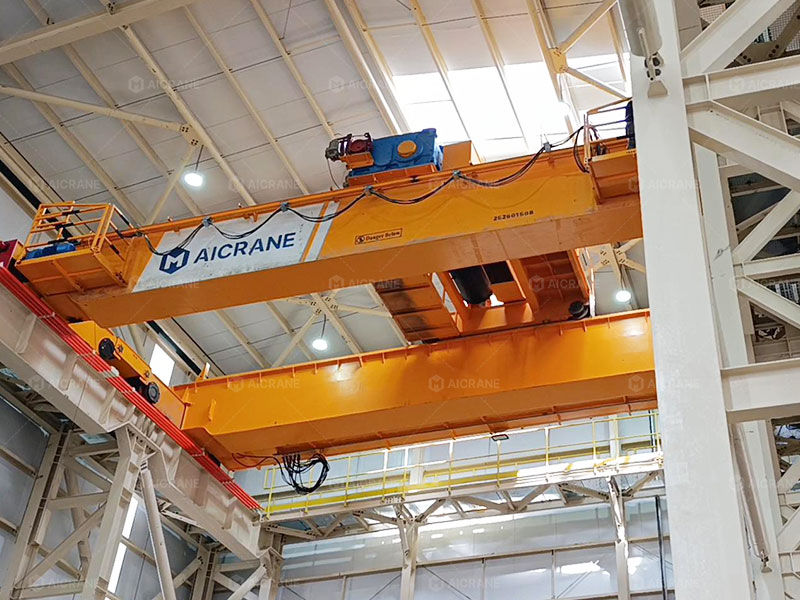
A 30 ton overhead crane is considered a heavy-duty lifting system, commonly used in steel structure factories for transporting large steel beams, columns, and other structural components. The primary role of these cranes includes:
Material Handling Efficiency: Moving raw materials, semi-finished components, and finished products between workstations.
Assembly Assistance: Lifting and positioning steel members during fabrication or structural assembly.
Storage Management: Loading and unloading steel elements into racks or storage areas within the workshop.
Support for Fabrication Equipment: Assisting machinery such as cutting, drilling, and welding stations by transporting heavy workpieces.
Operating multiple cranes in one workshop introduces additional complexity, requiring a systematic approach to planning.
Key Factors in Multi-Crane Operation Planning
1. Workshop Layout and Crane Placement
The layout of a steel structure factory directly influences crane operations. When planning multiple cranes, consider:
Crane Spacing: Adequate spacing between crane runways is essential to prevent collisions. For 30-ton cranes, a minimum lateral separation is typically recommended based on the span and load characteristics.
Runway Alignment: Cranes should be aligned parallel or strategically offset to optimize material flow. Parallel alignment allows simultaneous operations in different zones, while offset configurations can reduce overlap in working areas.
Access Zones: Designate clear zones for loading, unloading, and material handling to prevent bottlenecks and ensure smooth traffic flow.
2. Crane Load Distribution and Scheduling
Multiple cranes often operate in overlapping areas. Proper scheduling and load management prevent operational conflicts:
Load Sequencing: Plan lifting sequences to avoid simultaneous heavy lifts in the same area. Prioritize critical tasks to prevent delays.
Crane Sharing: In some scenarios, two cranes may handle a single load collaboratively. Multi-crane lifts require synchronization, appropriate rigging, and precise communication between operators.
Operational Zones: Define specific zones for each crane to minimize interference. Zone allocation should consider material flow, assembly lines, and storage locations.
3. Crane Travel and Interference Management
Crane travel paths must be carefully planned to prevent collisions:
Runway Intersections: If cranes share intersecting runways, implement operational protocols such as stop signals, interlocks, or automated control systems to prevent collisions.
Crane Buffer Zones: Maintain buffer zones between crane rails to accommodate swing, sway, and potential misalignment.
Obstacle Consideration: Identify obstructions such as columns, equipment, or structural members that may restrict crane travel. Adjust lifting paths accordingly.
4. Safety Protocols and Operator Coordination
Safety is paramount in multi-crane operations:
Operator Training: Operators must be trained in multi-crane coordination, understanding signal communication, and recognizing potential hazards.
Communication Systems: Two-way radios, intercoms, or integrated control systems ensure effective coordination between crane operators and ground personnel.
Warning Systems: Install visual and audible warning devices to alert operators of nearby crane movements or overlapping work zones.
Load Monitoring: Implement overload protection systems to prevent unsafe lifting conditions, particularly when two cranes are involved in the same operation.
5. Maintenance and Inspection Planning
Operating multiple 30-ton cranes increases maintenance demands:
Routine Inspections: Schedule regular inspections for hoists, trolley mechanisms, rails, and control systems. Multi-crane workshops require strict adherence to inspection protocols to prevent downtime.
Maintenance Coordination: Stagger maintenance schedules to avoid simultaneous crane outages, ensuring at least one crane remains operational for ongoing tasks.
Spare Parts Management: Maintain critical spare parts, such as wire ropes, motors, and brake components, to reduce repair time and operational interruptions.

6. Integration with Steel Fabrication Workflow
Crane operation planning should align with the overall factory workflow:
Material Flow Mapping: Analyze material movement from raw steel intake to finished assembly. Cranes should be positioned to minimize transport distances and handling times.
Workstation Coordination: Ensure crane operations support downstream processes, such as cutting, welding, and assembly, without causing delays.
Flexible Lifting Plans: Factor in variable loads and batch sizes. The ability to reassign cranes to different zones enhances operational flexibility.
7. Technology and Automation in Multi-Crane Operations
Modern steel structure factories increasingly rely on automation and advanced control systems to optimize multi-crane operations:
Crane Anti-Collision Systems: Sensors, cameras, and automated stopping mechanisms prevent collisions in overlapping areas.
Load Monitoring and Data Analytics: Real-time load monitoring helps operators avoid overloads and optimize lifting patterns.
Centralized Control Systems: Software platforms allow planners to schedule and monitor multiple cranes simultaneously, improving coordination and efficiency.
Remote Operation: Remote-controlled cranes reduce operator fatigue and enhance precision in congested areas.
8. Operational Efficiency Metrics
To measure the effectiveness of multi-crane operations, factories often monitor:
Lift Cycle Time: Average time for a complete lift, including movement, positioning, and placement.
Crane Utilization Rate: Percentage of time each crane is actively engaged in material handling versus idle time.
Interference Incidents: Frequency of near-collisions, delays, or stoppages caused by crane interference.
Energy Consumption: Monitoring energy usage helps identify opportunities for cost reduction and process optimization.
9. Case Study Example
Consider a steel structure factory with two 30-ton overhead cranes installed along a 60-meter workshop span. The cranes are spaced 12 meters apart to allow simultaneous operation. Key measures implemented include:
Dedicated Zones: Crane A handles raw steel intake and cutting areas, while Crane B focuses on assembly and storage.
Scheduling Coordination: Lifts near the center of the workshop are pre-scheduled to prevent overlap.
Anti-Collision System: Both cranes are equipped with sensors that automatically reduce speed when approaching the other crane’s working area.
Operator Communication: Operators maintain constant radio contact, ensuring efficient coordination.
This planning enables the factory to achieve high throughput while maintaining safety and minimizing delays.
10. Challenges and Solutions
Challenges:
Risk of crane collisions in shared zones.
Scheduling conflicts during peak production.
Maintenance downtime affecting production continuity.
Operator fatigue leading to human error.
Solutions:
Implement advanced anti-collision technology.
Design flexible operational zones that can be adjusted based on workflow demands.
Maintain overlapping coverage through redundant cranes during maintenance.
Rotate operators and provide adequate breaks to ensure alertness.
Conclusion
Planning multi 30-ton overhead crane operations in a single steel structure factory requires a holistic approach that combines layout design, load management, operator coordination, safety measures, and technological integration. By carefully considering crane placement, operational zones, interference management, and workflow integration, factories can achieve optimal productivity, reduce risks, and ensure safe handling of heavy loads. Advances in automation, anti-collision systems, and centralized control platforms further enhance the efficiency and reliability of multi-crane operations. Ultimately, meticulous planning and proactive management of multiple overhead cranes are essential to unlocking the full potential of a steel structure factory, ensuring smooth production flow, and safeguarding both personnel and equipment.


Comments