


Tips to Prevent Overloading of Double Girder Overhead Cranes

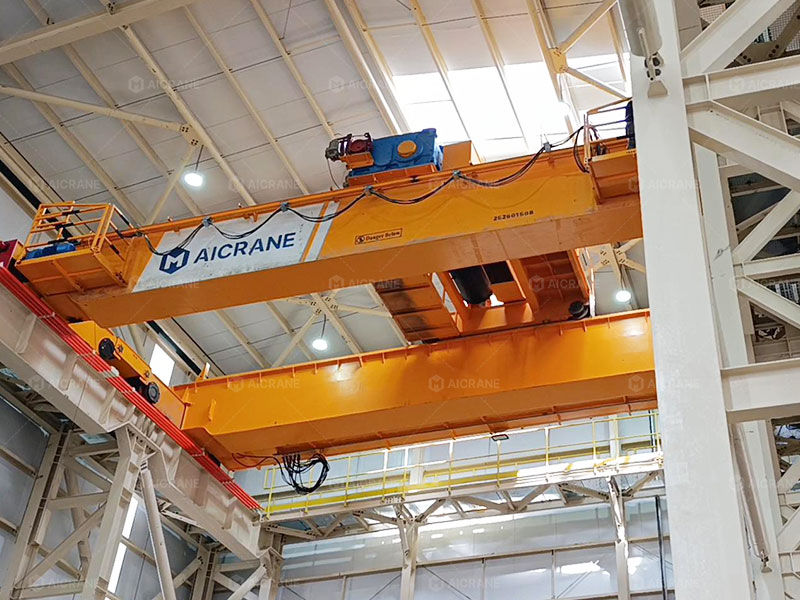
Double girder overhead cranes are essential tools in industries such as manufacturing, steel production, shipbuilding, and heavy machinery handling. Their robust design allows them to lift heavy loads safely, but exceeding their capacity can lead to serious structural damage, operational failures, and safety hazards. Overloading not only shortens the lifespan of a crane but can also endanger workers and disrupt production schedules. Preventing overloading is therefore a top priority for crane operators, maintenance teams, and plant managers.
This article provides practical tips and best practices for preventing overloading of double girder overhead cranes, covering equipment selection, operational strategies, and monitoring techniques.

1. Understand Crane Capacity Ratings
The first step in preventing overloading is to understand the rated capacity of your crane. Every double girder overhead crane comes with a specific maximum load capacity, determined by design factors such as the strength of the girders, trolley, hoist, and bridge components. These ratings are usually specified in tons and must never be exceeded.
Operators should:
Check the crane’s capacity plate before lifting any load.
Understand whether the rated capacity applies to the central span or varies across the bridge. Some cranes have reduced lifting capacity at the extremes of the span.
Consider the effect of load attachments such as magnets, hooks, or spreaders, which may slightly reduce the crane’s effective lifting capacity.
Failing to follow the rated capacity is the most common cause of crane overloading.
2. Proper Load Calculation
Before lifting, operators must accurately calculate the weight of the load. Misjudging the load weight is a frequent source of overloading. Load calculations should include:
The actual weight of the material or equipment being lifted.
The weight of any lifting accessories, such as slings, chains, or spreader beams.
Dynamic factors, such as the momentum of the load if it is moving or swinging.
For irregular or bulk materials, it is recommended to weigh them in advance or use precise engineering estimates. Using a load cell or weighing device can further enhance safety.
3. Implement Load Monitoring Systems
Modern double girder overhead cranes often come equipped with advanced load monitoring systems. These devices provide real-time feedback to operators about the load being lifted. Key systems include:
Load sensors and load cells: Measure the actual weight applied to the hoist.
Overload protection devices: Trigger alarms or automatically stop hoisting when the load approaches the crane’s maximum capacity.
PLC-based monitoring systems: Provide continuous data on load distribution, bridge stress, and lifting patterns.
Installing and maintaining these systems ensures that operators are alerted before an overload occurs, minimizing risk.
4. Train Operators Thoroughly
Operator skill and awareness play a crucial role in preventing overloading. Proper training should cover:
Understanding crane load charts and capacity limitations.
Recognizing risky load conditions, such as off-center lifting or swinging loads.
Safe hoisting techniques, including gradual acceleration and deceleration to prevent dynamic overloading.
Emergency response procedures if the crane is overloaded.
Periodic refresher courses help operators stay updated on best practices and new safety technologies.

5. Regular Maintenance and Inspection
Routine maintenance and inspections are vital to ensure that a crane operates safely at its rated capacity. Overloaded cranes often suffer from accelerated wear, which can go unnoticed without proper checks. Maintenance tips include:
Inspecting hoist ropes, chains, hooks, and trolley wheels for signs of stress or deformation.
Checking the integrity of structural components, including girders and end trucks.
Ensuring that mechanical brakes, limit switches, and overload protection devices function correctly.
Lubricating moving parts to reduce wear and prevent unexpected failures during lifting.
A well-maintained crane is less likely to experience hidden failures that could exacerbate overloading risks.
6. Avoid Dynamic Overloading
Overloading is not limited to static weight—it can also occur dynamically. Sudden movements, rapid acceleration, or swinging loads can temporarily exceed the crane’s rated capacity. To minimize dynamic overloading:
Lift and lower loads slowly and steadily.
Avoid sudden starts, stops, or changes in direction.
Use anti-sway mechanisms if available to control load swinging.
Train operators to anticipate load inertia when handling heavy or long loads.
Dynamic factors are especially important in double girder cranes handling large or bulky items, where momentum can significantly increase the effective load.
7. Use Proper Load Distribution
Double girder overhead cranes are designed to distribute weight evenly across the bridge. Uneven loading can overload one side of the crane, causing structural stress. To ensure proper load distribution:
Position the trolley directly over the center of the load.
Avoid side pulls or off-center lifts unless the crane is specifically rated for them.
Use spreader beams for long or irregular loads to maintain balance.
Check for twisting or tilting of the load before lifting.
Evenly distributed loads reduce wear on crane components and prevent localized overloading.
8. Monitor Environmental Conditions
Environmental factors such as wind, temperature, and floor conditions can affect lifting safety. For example:
Wind can increase load sway, effectively increasing dynamic forces.
Cold weather can make steel components more brittle, reducing load tolerance.
Uneven floors or crane rails can cause uneven load distribution.
Operators should assess environmental conditions before lifting and reduce load weight or speed if necessary.
9. Use Load Testing and Certification
Before putting a crane into regular service, load testing should be performed to verify that it can handle its rated capacity safely. Load testing tips include:
Conducting periodic test lifts at or slightly above rated capacity (as per standards).
Documenting test results for compliance and safety audits.
Re-testing after any major maintenance or modification.
Certified load testing ensures the crane is capable of handling its intended loads without risk of overloading.
10. Establish Safety Protocols and Policies
Finally, preventing overloading requires a culture of safety. Companies should establish clear policies:
Prohibit lifting beyond rated capacity under any circumstances.
Require supervision or approval for unusually heavy or irregular lifts.
Implement reporting systems for near-miss incidents involving overloading.
Maintain accessible load charts and operational guidelines near the crane.
Creating a safety-first culture ensures that preventing overloading becomes a standard practice rather than an occasional concern.
Conclusion
Preventing overloading of double girder overhead cranes is essential for safety, equipment longevity, and operational efficiency. By understanding overhead crane capacity, accurately calculating loads, implementing monitoring systems, training operators, maintaining equipment, and following safe lifting practices, industrial facilities can minimize the risk of structural damage and accidents. Overloading is preventable, but it requires diligence, planning, and adherence to safety standards. Every lift should be approached with caution, respect for the crane’s limits, and an emphasis on proper procedure.
By integrating these tips into daily crane operations, companies not only protect their investment in heavy-duty equipment but also safeguard their workforce and maintain smooth production workflows.


Comments