


Comparing Hydraulic vs. Electric Steering in Modern RTG Cranes

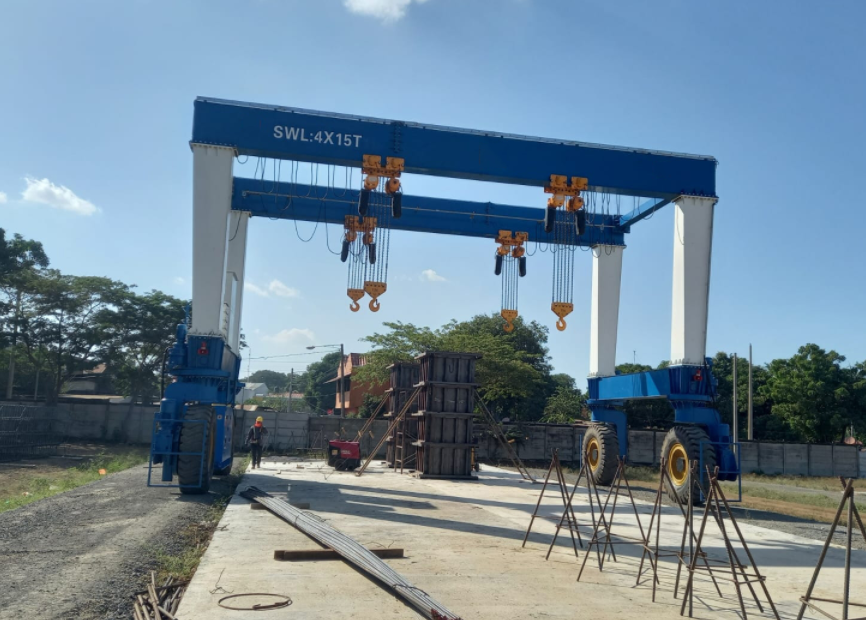
Rubber Tyred Gantry (RTG) cranes are widely used in container yards, precast concrete production facilities, steel processing plants, logistics hubs, and heavy industrial storage areas. One of the most critical systems that determines their mobility, precision, and operational efficiency is the steering system.
In modern RTG crane design, two main steering technologies dominate the market: hydraulic steering systems and electric steering systems. Both are widely used, but they differ significantly in structure, performance, maintenance requirements, and long-term operating cost.
As the industry moves toward electrification and smart automation, understanding the differences between these two steering technologies is essential for making informed purchasing and operational decisions.
This article provides a detailed comparison of hydraulic vs. electric steering in RTG gantry cranes, focusing on performance, efficiency, reliability, and application suitability across different industrial environments.

Understanding Steering Systems in RTG Cranes
RTG cranes rely on multiple wheel sets to move heavy loads across large yards. The steering system controls wheel alignment, allowing the crane to perform:
Straight-line travel
90-degree turns
Diagonal movement
Crab steering (sideways movement)
Precise positioning in tight working spaces
The steering system directly affects:
Maneuverability
Tire wear
Energy efficiency
Yard productivity
Operator control precision
Because RTG cranes often operate in constrained environments such as container stacks, steel yards, or precast storage lanes, steering performance is critical to overall efficiency.
What Is Hydraulic Steering in RTG Cranes?
Hydraulic steering systems use pressurized hydraulic fluid to control wheel movement. The system typically includes:
Hydraulic pumps
Oil tanks
Control valves
Hydraulic cylinders
Piping networks
When the operator initiates a steering command, hydraulic pressure is transmitted to the cylinders, which adjust the wheel angle accordingly.
Key Characteristics of Hydraulic Steering
High force output
Proven industrial technology
Strong performance under heavy loads
Widely used in traditional RTG designs
Hydraulic steering has been the industry standard for many years, especially in diesel-powered RTG cranes.

What Is Electric Steering in RTG Cranes?
Electric steering systems use electric motors and electronic control units (ECUs) to adjust wheel alignment. Instead of hydraulic pressure, steering is achieved through:
Servo motors or electric actuators
Electronic control systems
Sensors and feedback loops
Software-based positioning control
Electric steering is closely aligned with modern all-electric and hybrid RTG systems.
Key Characteristics of Electric Steering
High precision control
Software-driven operation
Easier integration with automation systems
Reduced mechanical complexity
This system is increasingly used in modern RTG port gantry cranes designed for smart terminals and electrified yards.
Performance Comparison: Hydraulic vs Electric Steering
1. Precision and Control Accuracy
Hydraulic Steering:
Provides strong mechanical force
Slight lag in response due to fluid dynamics
Less precise fine-positioning capability
Electric Steering:
High precision due to digital control
Instant response to operator input
Excellent for automated positioning systems
In applications such as precast concrete handling or tight container stacking lanes, electric steering provides better alignment accuracy.
2. Load Handling Capability
Hydraulic Steering:
Excellent performance under extremely heavy loads
Stable in harsh working conditions
Less sensitive to external shocks
Electric Steering:
Strong but depends on motor sizing and system design
May require more advanced control calibration for heavy-duty applications
For ultra-heavy industrial environments such as steel coil yards or shipyards, hydraulic systems still have strong advantages in raw force handling.
3. Energy Efficiency
Hydraulic Steering:
Continuous energy loss due to fluid circulation
Requires constant pump operation
Lower overall efficiency
Electric Steering:
Energy used only during movement
No hydraulic fluid losses
More efficient in long-term operation
Electric steering clearly performs better in energy-saving RTG designs.
4. Maintenance Requirements
Hydraulic Steering:
Requires regular oil checks and replacements
Risk of leakage in hoses and seals
More mechanical wear over time
Electric Steering:
Fewer moving mechanical parts
Minimal fluid-related maintenance
Easier diagnostic troubleshooting
In long-term operation, electric steering reduces maintenance workload significantly.
5. Reliability and Failure Risk
Hydraulic Steering:
Mature and robust technology
Performs well in extreme environments
However, leaks or pressure loss can cause system failure
Electric Steering:
Dependent on sensors and electronics
Requires stable control system
Less affected by physical fluid failures
Hydraulic systems are often considered more tolerant in harsh environments, while electric systems rely on advanced electronics but have fewer mechanical failure points.
Application Suitability Across Industries
Different industries benefit differently from each steering system.
Container Terminals and Logistics Yards
Electric Steering:
Ideal for smart terminals
Supports automation and GPS integration
Enables precise stacking and retrieval
Hydraulic Steering:
Still used in traditional diesel RTG systems
Suitable for basic operations without automation
Winner: Electric steering for modern terminals
Precast Concrete Production
Electric Steering:
High precision required for beam placement
Smooth and controlled movement
Better integration with production flow systems
Hydraulic Steering:
Works well in rugged outdoor yards
Suitable for heavy lifting environments
Winner: Electric steering for precision-focused operations
Steel Processing and Coil Handling
Hydraulic Steering:
Handles extreme loads and shock conditions well
More resistant to harsh industrial environments
Electric Steering:
Increasingly used in modernized steel yards
Better for controlled, repetitive movements
Winner: Hydraulic (for extreme duty), Electric (for modern controlled operations)
Shipyards and Heavy Fabrication
Hydraulic Steering:
Strong durability under unpredictable loads
Better for outdoor, high-impact environments
Electric Steering:
Suitable for organized assembly operations
Works well in semi-automated shipbuilding yards
Winner: Hydraulic in traditional yards, Electric in modern shipyards
Integration with Automation Systems
One of the biggest differences between hydraulic and electric steering is automation compatibility.
Hydraulic Steering Limitations:
Difficult to integrate with digital control systems
Requires additional sensors for automation
Limited data feedback capability
Electric Steering Advantages:
Fully compatible with digital control systems
Supports AI-based positioning
Easily integrated with:
Terminal Operating Systems (TOS)
Smart yard management systems
Remote monitoring platforms
Electric steering is clearly the foundation for future RTG automation.
Cost Comparison: Initial Investment vs Lifecycle Cost
Hydraulic Steering
Lower initial cost in many traditional systems
Higher long-term maintenance costs
More frequent component replacement
Electric Steering
Higher initial investment
Lower maintenance and operating costs
Better energy efficiency
In most long-term scenarios, electric steering provides lower Total Cost of Ownership (TCO), especially in high-frequency operations.
Environmental Impact Considerations
Hydraulic Steering:
Uses hydraulic oil
Risk of leakage and environmental contamination
Higher energy consumption
Electric Steering:
No hydraulic fluids required
Cleaner and more environmentally friendly
Supports green port and green industry initiatives
Electric steering aligns better with modern sustainability goals.
Future Trends in RTG Steering Systems
The future of RTG steering technology is clearly moving toward electrification and intelligent control.
Expected developments include:
Fully autonomous RTG steering systems
AI-based path optimization
Sensor-driven real-time adjustments
Integration with digital twin yard systems
Hybrid electro-hydraulic transitional solutions
Hydraulic systems will likely remain in niche heavy-duty applications, while electric steering becomes the standard in modern RTG crane design.
Conclusion
Hydraulic and electric steering systems each have distinct advantages in RTG crane applications. Hydraulic steering remains strong in heavy-duty, rugged environments where durability and force are critical. However, electric steering is rapidly becoming the preferred choice for modern material handling systems due to its precision, efficiency, and compatibility with automation.
For industries such as container logistics, precast concrete production, and advanced manufacturing, electric steering offers clear long-term benefits in energy savings, operational accuracy, and maintenance reduction.
Ultimately, the choice between hydraulic and electric steering should be based on application requirements, operational intensity, and future automation goals. As the industry continues to evolve toward smarter and greener solutions, electric steering is expected to play an increasingly dominant role in the next generation of RTG cranes.


Comments