


Is My Yard Suitable for Installing an RTG Rubber Tyred Gantry Crane?

Rubber Tyred Gantry (RTG) cranes are indispensable in modern container yards, intermodal terminals, and large-scale industrial sites. Their mobility, flexibility, and lifting capacity make them ideal for stacking and moving containers, handling heavy cargo, or managing large components in manufacturing yards. However, before investing in an RTG crane, it is critical to assess whether your yard is suitable for installation and operation. RTG cranes are not one-size-fits-all solutions; the site conditions heavily influence their performance, safety, and long-term operational costs.
This article explores the key factors to evaluate when determining if your yard is suitable for an RTG crane, offering practical guidance and considerations for decision-makers.
1. Ground Bearing Capacity
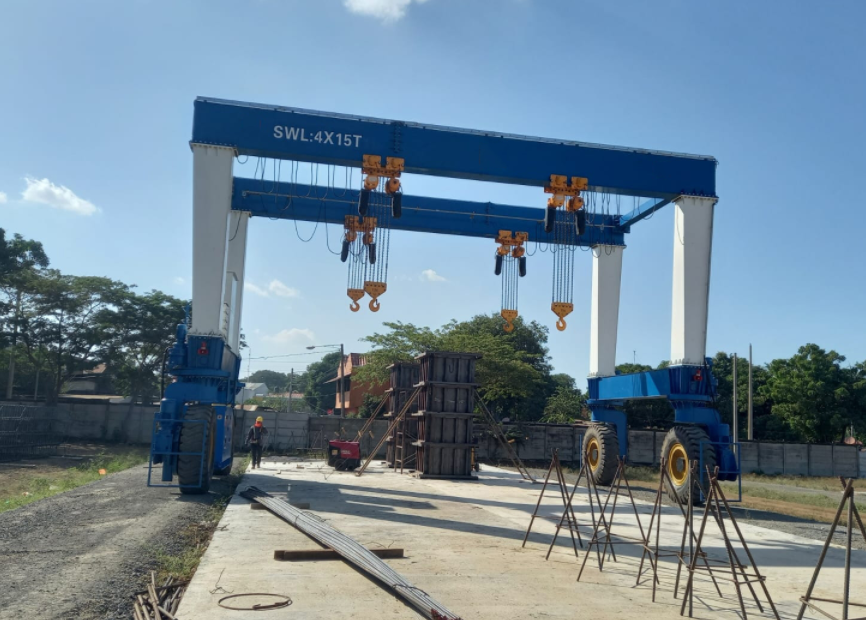
One of the most critical factors for RTG crane installation is the ground bearing capacity. RTG cranes exert a significant load on the surface they travel on due to their weight and the concentrated load from tires. Typical RTG cranes can have wheel loads ranging from 5 to 8 tons per tire, depending on crane size, load capacity, and configuration.
If the ground is too soft or weak, excessive tire pressure can lead to surface deformation, rutting, and even crane instability. To determine whether your yard is suitable, a geotechnical survey should be conducted. Rubber tyred gantry crane manufacturers will evaluate soil composition, compaction levels, and subgrade strength. Based on these results, you may need to reinforce the surface using concrete pads, asphalt, or high-strength compacted layers to achieve sufficient load-bearing capacity.
For industrial operations, a well-compacted reinforced concrete surface is often preferred. It ensures the crane can operate safely at full load, reduces maintenance costs due to tire wear, and prevents downtime caused by uneven ground conditions.
2. Surface Leveling and Tolerance
RTG cranes require a high degree of surface flatness for safe and efficient operation. Uneven surfaces can cause crane sway, uneven tire wear, and challenges in lifting operations. Industry best practices recommend that yard flatness should not deviate more than 10–15 mm per 10 meters.
Even small slopes or undulations can significantly affect the stability of heavy loads during lifting. A minor slope may cause containers to shift or make stacking uneven, impacting operational safety. Therefore, when assessing your yard, consider hiring a professional surveyor to measure slope, elevation changes, and surface regularity. Corrective measures, such as milling and resurfacing, may be necessary to meet RTG specifications.
3. Yard Size and Layout
The physical dimensions of your yard determine whether an RTG crane can operate efficiently. RTG cranes require adequate space for maneuvering, stacking, and turning. Key yard layout considerations include:
Crane span: The distance between crane legs should accommodate container stacks or load widths. Shorter spans may be required for confined spaces, but this may reduce operational flexibility.
Drive paths: RTG cranes need clear drive paths for forward and lateral movement. Tight turns or obstacles can limit stacking density and slow down operations.
Stacking height: Consider the available overhead clearance for the crane’s lifting height and spreader operation. Electrical lines, building structures, or lighting poles may need relocation.
Safety buffer zones: Ensure sufficient space at yard edges, near gates, or around other equipment to maintain safe operation.
Inadequate yard space can force cranes to operate suboptimally, increasing travel time, operational risk, and maintenance costs.
4. Load and Traffic Considerations
RTG cranes are designed to handle heavy loads, often 40-foot or 20-foot containers weighing 30 tons or more. Your yard must be able to accommodate these loads in terms of both surface strength and traffic patterns.
Consider the frequency of operations: high traffic areas require well-planned movement corridors to avoid congestion. Cranes operating near other equipment, such as forklifts, terminal tractors, or trucks, may require additional space to ensure safe operation. Proper signage, designated lanes, and traffic management plans are essential in maintaining efficiency and safety.
5. Electrical and Power Infrastructure
While some RTG cranes are diesel-powered, many modern models are hybrid or fully electric. Electric RTGs require a reliable power supply and infrastructure to support continuous operation. Key considerations include:
Power availability: Check whether the yard’s electrical system can support the voltage and current requirements of the RTG crane.
Distribution system: Ensure that power cables, transformers, and connections are designed to handle RTG operation without overloading.
Charging or refueling space: For hybrid or battery-powered cranes, designated areas are needed for battery replacement or charging.
Failing to provide adequate power infrastructure can lead to downtime, reduced productivity, or even damage to electrical systems.
6. Environmental and Weather Conditions
The local environment impacts RTG performance and maintenance. Consider the following:
Rainwater drainage: Poor drainage can create puddles or soft spots, affecting crane traction.
Wind conditions: High winds can be hazardous when lifting heavy loads. RTG cranes may need to suspend operation if wind speeds exceed safe thresholds.
Temperature extremes: Cold climates can harden tires and affect hydraulics, while extreme heat can accelerate tire wear.
Assessing environmental factors allows for better planning of gantry crane specifications, protective measures, and operational guidelines.
7. Site-Specific Obstacles and Constraints
Every yard has unique features that influence RTG suitability. Identify any obstacles such as:
Existing structures: Buildings, warehouses, or storage sheds may limit crane span or lifting height.
Underground utilities: Water pipes, sewage lines, or electrical conduits can restrict where cranes can travel or where concrete reinforcement is needed.
Terrain features: Hills, embankments, or uneven surfaces may require extensive grading or earthworks.
RTG cranes can be adapted to many site constraints, but understanding these in advance helps avoid costly redesigns or operational limitations.
8. Regulatory and Safety Compliance
Finally, your yard must meet local regulatory requirements for heavy equipment operation. This includes:
Occupational safety standards: Ensure compliance with local guidelines for crane operation, worker safety, and load handling.
Environmental regulations: Check if surface reinforcement, drainage, or power infrastructure requires permits.
Inspection and certification: Some regions mandate inspection of RTG cranes and their operating surfaces before commissioning.
Failure to meet these requirements can lead to operational delays, fines, or legal liabilities.
Conclusion: Assessing Suitability for RTG Installation
Determining if your yard is suitable for an RTG crane requires careful evaluation of multiple factors: ground bearing capacity, surface flatness, yard layout, traffic and load considerations, power infrastructure, environmental conditions, site obstacles, and regulatory compliance.
A professional site assessment is highly recommended. Engineers can measure soil strength, conduct surface surveys, and provide recommendations for surface reinforcement, layout optimization, or other modifications. Proper planning ensures that your RTG crane will operate efficiently, safely, and reliably for years to come.
In essence, investing time and resources in a thorough site evaluation is far more cost-effective than dealing with operational limitations, crane instability, or premature wear and tear. The more accurately you match your yard’s conditions to the crane’s specifications, the higher your productivity, safety, and return on investment.
By considering these key factors, yard owners and operators can make informed decisions, ensuring their RTG cranes perform optimally in any industrial or container-handling environment.


Comments